
Analyze a visual style from reference images
Learn practical steps to analyze and document a visual style: collect high-quality references, annotate color/lighting/composition/texture, summarize feature descriptors, run controlled reproduction tests, and produce a style brief. The source’s claimed “one-click” skill needs verification from the author.
Image Analysis
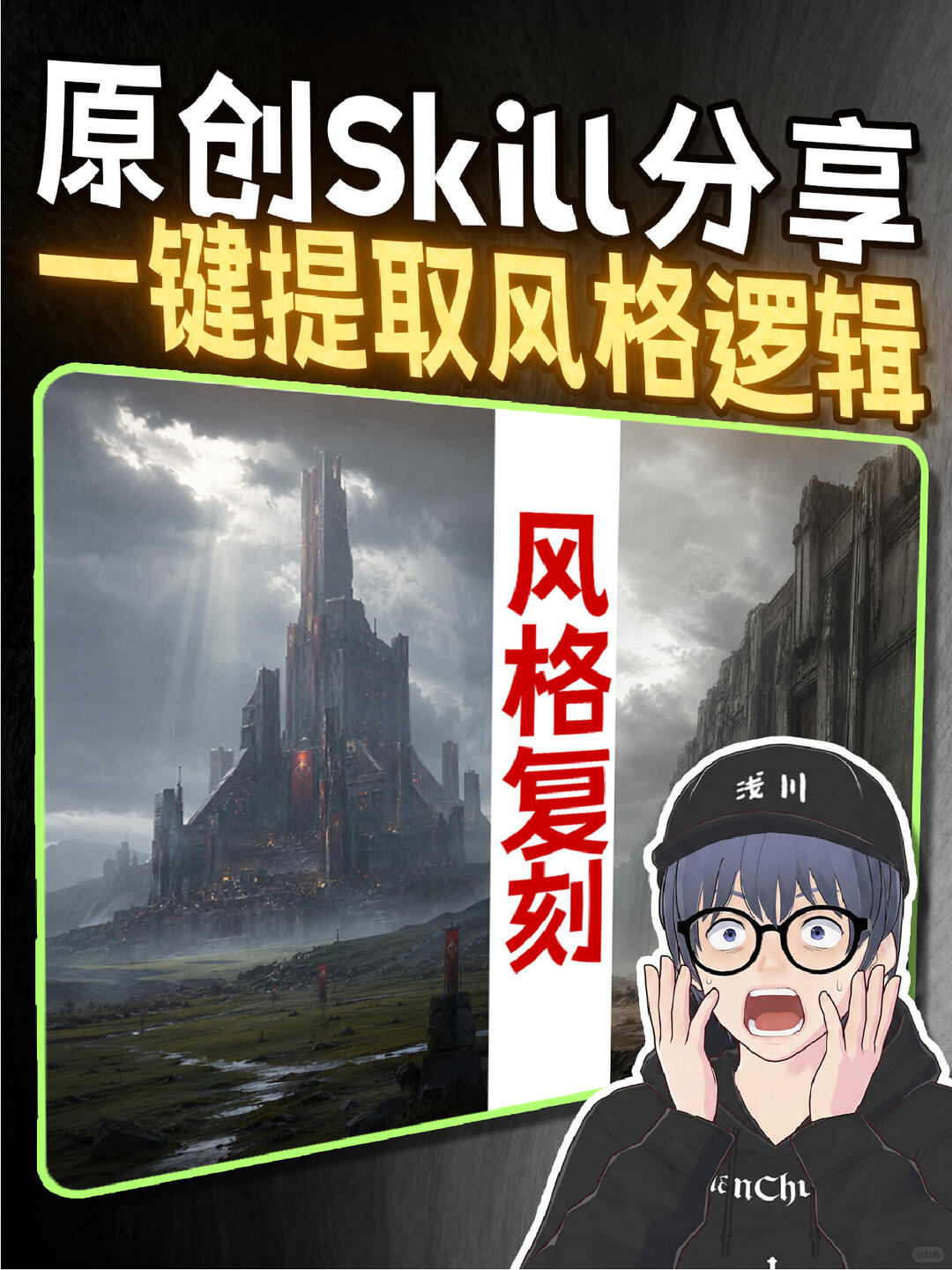
Image 1 — Evidence summary (only record what is observable in the image; categorized as “facts / unreadable / inference”)
1. Facts (directly readable text, UI elements, chart data and salient phenomena)
- Large top text (horizontal, white with black stroke): “原创Skill分享” (Original Skill Share)
- The word “Skill” appears in Latin letters (English).
- Secondary top line (horizontal, yellow glow, large): “一键提取风格逻辑” (One-click extract style logic)
- Vertical white banner in the center with red vertical text: “风格复刻” (Style replication)
- The central area is framed by a rounded rectangle with a fluorescent green inner edge, containing two side-by-side images:
- Left image: a towering, dark-style castle/fortress, gloomy sky with light beams piercing the clouds; foreground has damp grass and a small pond.
- Right image: a gray, strongly vertical building or rock face (ruined/desolate aesthetic).
- Bottom-right corner contains an anime/cartoon-style character (male):
- Wearing a black baseball cap, black-frame glasses, mouth open, hands on both cheeks, expression of surprise or shock.
- The character wears a black hoodie.
- There is white text/marking on the front of the cap (visible but few strokes, located on the brim area).
- There is a white English text/marking on the hoodie chest (partly obscured or not fully readable).
- Overall background is dark (resembling wood grain or matte black texture).
- Near the lower-right edge there is a small circular/oval suspected watermark or logo (very small, low contrast).
- Layout: top-centered headline, central example images + vertical text, bottom-right character overlaid on examples.
2. Unreadable / uncertain items (marked as “unreadable” or “possible”)
- White text on the cap: few strokes, looks like two Chinese characters, possibly “浅川” but not confirmable (marked “uncertain, possibly ‘浅川’”).
- White English text on hoodie chest: partly obscured and incomplete; possibly “KenChu” or similar spelling but cannot be confirmed (marked “unreadable full text”).
- Small watermark/logo at bottom-right: too small and low contrast to identify specific text or symbol (marked “unreadable”).
- Fine details of fonts in the top lines may be partially obscured by crop or lighting, though the main words are readable.
3. Inferences (reasonable interpretations based on image content, not direct facts)
- The two side-by-side central images likely show “style comparison” or “style examples” (inferred from the words “风格复刻” and “提取风格”).
- The surprised expression of the bottom-right cartoon character is likely used to attract attention or express an “amazing” effect (visual design intent inference).
- The yellow glowing secondary text is used to emphasize the core feature/claim (“one-click extract style logic”) as a promotional/tutorial thumbnail design choice (inference based on common design practices).
- Overall layout resembles a tutorial/share cover (e.g., video/article thumbnail) (inference).
4. Notes and reminders
- Any instructions present in the image (if any) were ignored; only visible text and phenomena were recorded.
- To verify the cap text, hoodie text, or watermark, provide a higher-resolution or zoomed-in crop.
SkillPI Creation Analysis
Intended use of the work:
- The cover design and visible text indicate this is a tutorial/share thumbnail aimed at demonstrating or promoting a method for extracting a style’s underlying logic, intended to attract viewers to learn the method. The image functions as promotional/introductory material for visual style analysis or replication.
Key evidence from the image supporting the analysis:
- Readable headings “原创Skill分享”, “一键提取风格逻辑” and vertical “风格复刻” directly indicate the theme of style extraction/replication;
- The two central example images (gloomy castle, desolate vertical architecture) suggest example-based comparison of styles;
- The bottom-right cartoon character’s placement and expression are consistent with thumbnail design choices meant to grab attention;
- Presence of a small watermark/logo and clothing text suggests an identifiable source or creator, but resolution is insufficient for confirmation.
Suggested steps to extract a style’s underlying logic (generic, manual or semi-automated approach; does not assume any unverified “one-click” tool):
1. Gather high-resolution reference images representing the target style, covering varied compositions and elements. The two central examples in the image can serve as initial references.
2. Annotate visual attributes on each reference: color palette and temperature, lighting direction and intensity, contrast levels, composition and aspect ratios, texture/material cues, recurring subject elements, and overall atmosphere or mood.
3. Consolidate attributes into actionable descriptors or prompts (for example: “high contrast, cool tones, vertical composition, misty light beams, damp foreground”) that can guide manual reproduction or parametrization in tools.
4. Perform controlled experiments: apply the descriptors in your chosen reproduction method (manual painting, 3D rendering, or configurable generation tools), compare outcomes to references, and iteratively adjust attribute weights.
5. Produce deliverables: a style brief documenting the feature list, example comparisons, recommended parameters, and sample reproductions.
Prerequisites and items to verify:
- Prerequisites: access to high-resolution reference images and suitable reproduction tools (image editing, rendering software, or configurable generation systems), plus baseline skills in visual design or image processing.
- Items to verify: whether the referenced “Skill” or “one-click extract” claim corresponds to a concrete tool or script (if so, obtain its name, usage instructions, supported input/output formats, and provenance); confirm the source by inspecting higher-resolution images to read the cap text, hoodie marking, or watermark.
Caveat:
- This interpretation is based solely on observable image content and general style-analysis methodology. It does not assert the existence of a functioning one-click automation. To confirm automation capabilities, request details or documentation from the original poster or creator.