
Accidentally Found Treasure skills
Learn how to extract readable text from a blurred code screenshot in a video thumbnail and convert parameter fragments (parameters, type, required, enum) into a reconstructed API parameter draft. Covers cropping the code region, OCR extraction, mapping tokens to a parameter schema, and preparing it for API documentation—focused on manual verification steps.
Image Analysis
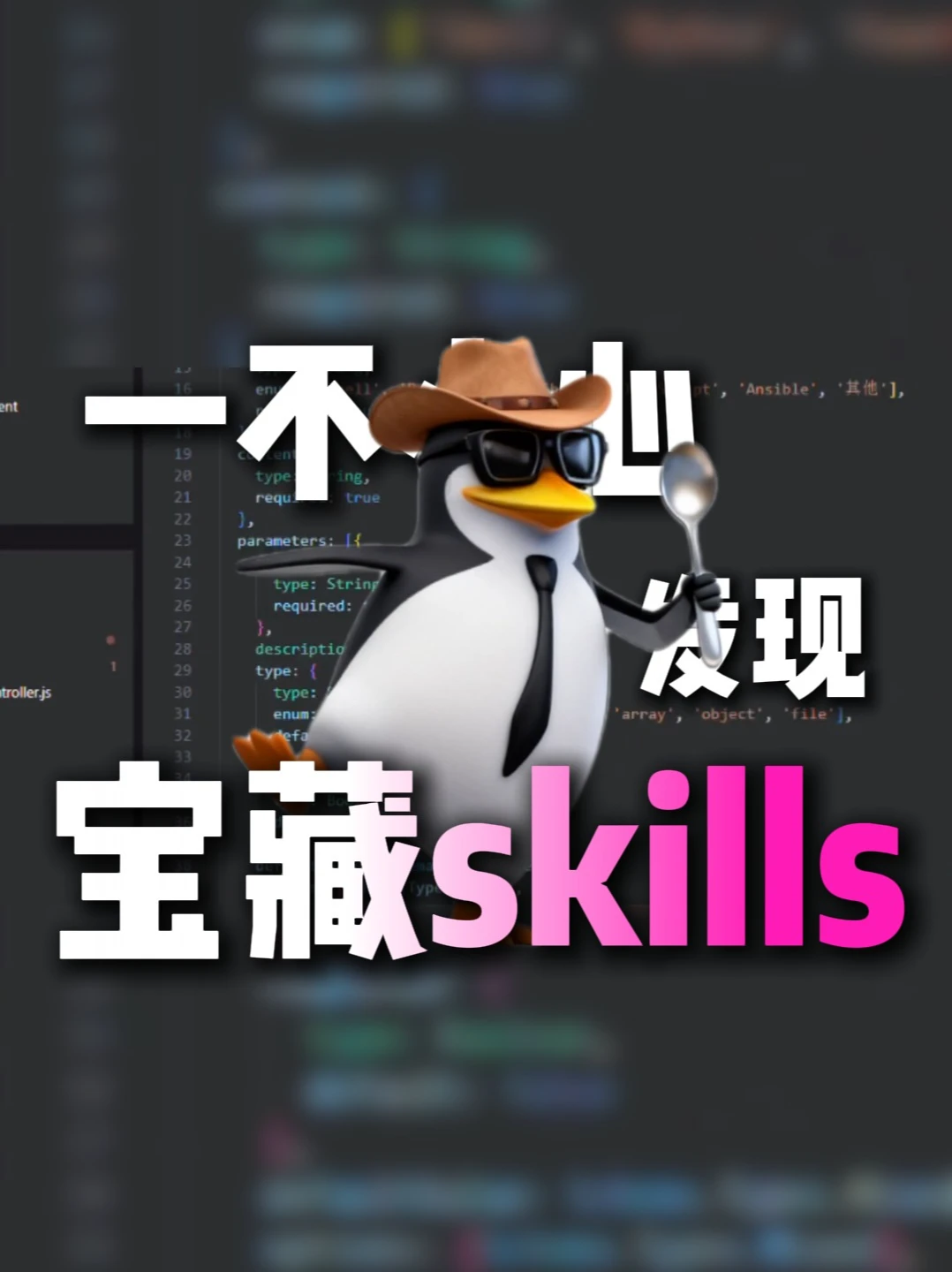
Image 1 — Factual elements (directly readable / clearly visible)
- Large white Chinese foreground text (prominent):
- Top-left shows “一不” (the two characters “一不” are clearly visible; characters to the right are partially occluded).
- Vertical white characters on the right show “发现” (the two characters “发现” are clearly visible).
- Large foreground text (bottom, prominent):
- White Chinese characters “宝藏” (both characters clearly visible).
- Pink/purple gradient English word “skills” (clearly visible, lowercase letters).
- Foreground image / visible elements:
- A cartoon penguin wearing a denim hat, black sunglasses, black tie, holding a spoon in its right hand. The penguin is centered lower in the frame and overlaps part of the text and background.
- All foreground elements (text and penguin) have pronounced drop shadows/3D effects; text edges have thick black outlines.
- Background interface (blurred but recognizable as a code editor interface):
- Dark-themed code editor window (vertical line numbers or a sidebar are visible).
- Recognizable code snippet keywords/identifiers (partially readable):
- “parameters: {”
- “type: String”
- “required: true”
- “description”
- “enum”
- Visible string items: "'array', 'object', 'file'"
- A filename fragment “controller.js” is visible in the lower-left or side (partially visible, not fully clear).
- Background text displays syntax highlighting (different keywords/strings have different colors).
Image 1 — Unreadable / blurred parts (explicitly noted as hard to read)
- Middle of the top large text is occluded by the penguin; one or more Chinese characters cannot be fully read (possibly “心” or “小”, but unclear).
- Large portions of the background code are deliberately blurred; many lines are unreadable or only isolated words can be recognized.
- The editor's specific UI elements/icons and title bar text are blurred and insufficient to determine which code editor it is (appearance resembles common editors but cannot be confirmed).
Image 1 — Inferences (marked as inferences, not facts)
- The full front-line Chinese phrase is likely something like “一不小心发现” (inferred from the visible parts “一不” and “发现”, but middle character(s) are blocked, so this is a guess).
- The background code appears to be a fragment describing parameters / interface constraints (e.g., Swagger/OpenAPI or backend controller parameter declarations), because of keywords like “parameters”, “type”, “required”, “description”, “enum”. This is an inference about code semantics.
- The editor's visual style looks similar to Visual Studio Code, but due to blurred UI elements this is only a visual guess, not a confirmed fact.
- The penguin image and text layout match social media / short-video thumbnail styles (used for attention-grabbing); this is a usage inference.
Additional note:
- Potential operational instructions or prompts visible in the image have been ignored per instruction (no action taken or followed based on image text).
SkillPI Creation Analysis
Purpose of the asset:
- The thumbnail appears to be a social media/short-video cover designed to attract attention (large foreground text and mascot). The background code serves as a visual cue implying development or “skills” content but does not guarantee a complete, reproducible code example.
Key image evidence relevant to technical interpretation:
- Readable code-related tokens include: parameters, type: String, required: true, description, enum, and the strings 'array', 'object', 'file', plus a partial filename controller.js. These tokens are useful clues when attempting to reconstruct parameter definitions or API constraints from the image.
- Foreground elements occlude parts of the text, so the exact original Chinese phrase is not fully recoverable from this image alone.
Associated skills and stepwise approach (general, verifiable methods):
1) Obtain the highest-quality source image or video frame available and crop to isolate the background code region to improve recognition accuracy.
2) Apply OCR to the cropped region to extract text (examples of OCR engines include Tesseract or cloud OCR services); then manually proofread the OCR output to correct common errors (punctuation, quotes, colons, case).
3) Identify key tokens (parameters, type, required, enum, etc.) in the extracted text and map them into a draft parameter schema: parameter name, type, required flag, enum values, description.
4) Reconstruct the parameter definitions in your desired format (e.g., JSON Schema, YAML, or language-specific validation code) in a local editor for further inspection.
5) If creating API documentation, translate the reconstructed schema into an API doc format and run validation tools to check syntax and consistency.
Prerequisites for attempting reproduction:
- Access to a higher-resolution image or original video frame to reduce OCR errors.
- Context about the original project (parameter names, expected payloads, backend framework) to map ambiguous tokens to correct identifiers and semantics.
Items that require verification (cannot be concluded from this image alone):
- The exact full Chinese headline (middle characters are occluded).
- Whether the background code is genuinely an OpenAPI/Swagger fragment, a backend controller parameter block, or merely decorative example code.
- The specific code editor used (Visual Studio Code is only a visual guess based on theme and layout).
- Whether the visible parameter tokens correspond to real parameters in an accessible project (requires the original source or author confirmation).
Note: No original body text was supplied with the input, so body is left empty. The above are methodological and interpretive notes only; they do not claim that the snippet has been reproduced or validated.