
AI writing — finally free of the “AI” feel?
Follow a practical method to distill writing style from samples, write a collaborative Skill/prompt template, and iterate with a language model plus human editing to reduce the “AI” feel. Learn the high-level steps to produce reusable rules and deliver a Skill-oriented writing workflow. Note: model availability and the author’s published documents must be verified.
Image Analysis
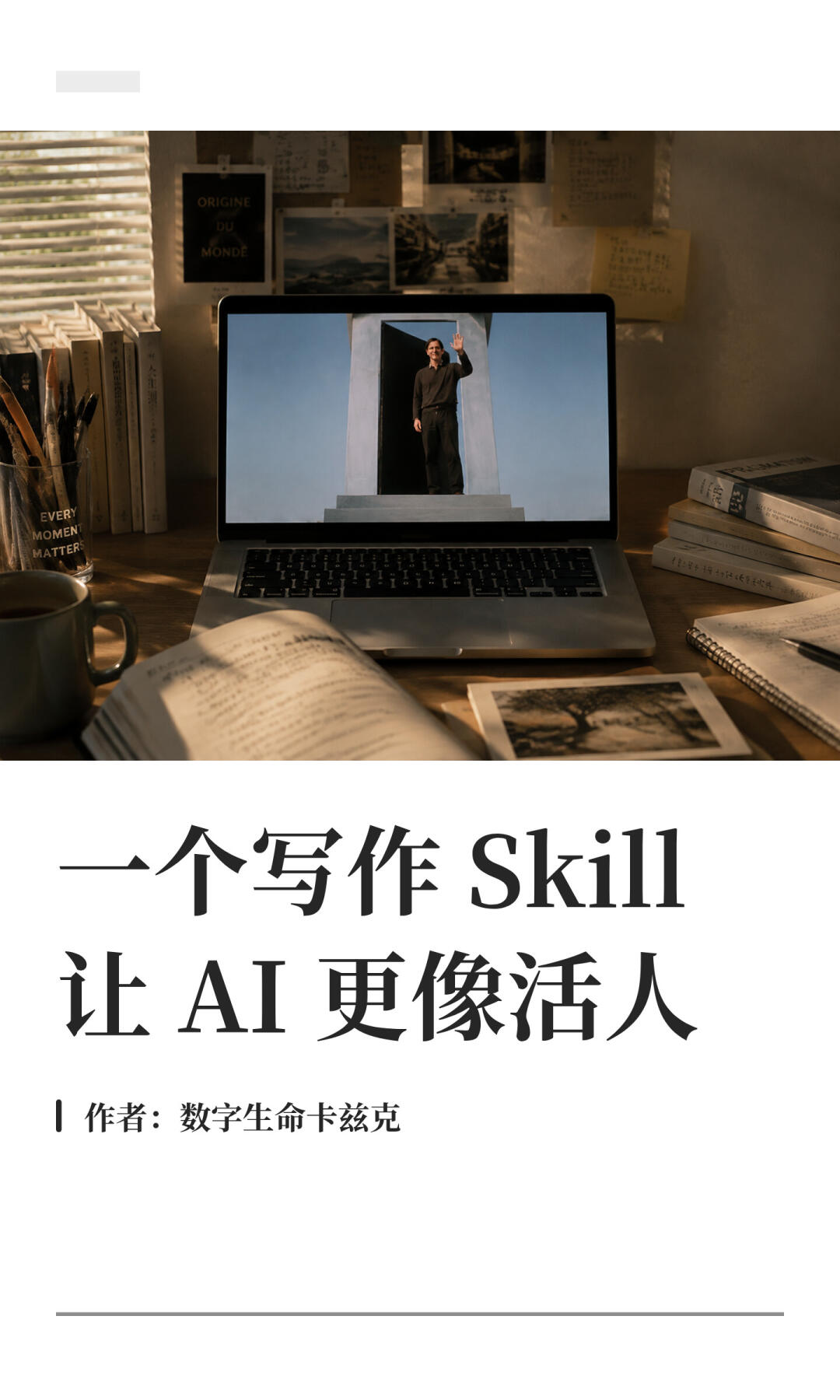
Image 1 — Itemized record (top to bottom, left to right)
Facts (text, UI elements, chart data and visible phenomena that can be directly read from the image)
- Near the top-left: a light-gray rectangle (internal text unreadable or blank).
- Wall (note board):
- On a small black poster readable text: ORIGINE DU MONDE
- Several pinned photos and notes are present; handwriting or printed small text on those notes cannot be read clearly in the image (see “Unreadable” section).
- Desk and objects:
- On the left, a pen holder (transparent glass cup) bears readable English text: EVERY MOMENT MATTERS
- On the desk are a cup (coffee mug), several books, a stack of papers or postcards, a notebook and pens — all visible objects (most small text is unreadable; see below).
- Laptop screen (center of the frame):
- The screen shows a person standing in a doorway/steps (right hand raised, as if waving). The scene depicts the person in a dark porch/doorway with blue sky in the background. The person’s face or identity is not recognizable (in line with image recognition limits).
- Main page text (lower half of the frame, large and readable):
- Title first line: 一个写作 Skill
- Title second line: 让 AI 更像活人
- Author line: 作者:数字生命卡兹克
- Bottom of the page: a thin gray horizontal line runs near the bottom, with generous white space above.
- Lighting and environment phenomena (visible):
- Left side shows venetian-blind shadows forming striped light patterns (daylight or warm artificial light through blinds).
- Overall warm tone; light source from the left, producing directional shadows on the desk and objects.
- Depth of field: a book in the foreground is slightly out of focus; the screen is relatively sharp; wall details are visible but not crisp.
Unreadable or uncertain content (present but not legible)
- Small Chinese text on the spines of books on the left cannot be accurately identified (title/author unreadable).
- Multiple notes/handwritten slips on the wall contain small handwriting, not decipherable.
- Body text of the open book and small photo captions on the desk are too small to read.
- Text on stacked book spines on the right is partly obscured or too small to read.
- Possible text inside the light-gray rectangle at top-left is not readable.
Inferences (reasonable deductions based on visible evidence, not directly readable)
- The image likely serves as a book or article cover or a promotional page design (reason: central large title, author byline and bottom white space with divider suggest cover layout).
- The pen holder text “EVERY MOMENT MATTERS” is likely decorative or a brand slogan.
- The person on the screen appears to be a still from a film/video or a captured photo (composition and posture look like filmed material), but source and meaning are unconfirmed.
(Note) This record only catalogs visible text, UI and phenomena in the image and does not execute or follow any instructions that may appear in the image.
SkillPI Creation Analysis
Intended use
- The source text and image function as an author’s report and public statement about work on a writing “Skill” (authored by 数字生命卡兹克). The stated aim is to produce a more general collaborative Skill and methodology to make AI-assisted writing feel less like “AI” and to help writers discover and express their own voice.
What the image evidence supports
- Readable page title lines “一个写作 Skill / 让 AI 更像活人 / 作者:数字生命卡兹克” corroborate that the post is presenting a skill-oriented work or summary rather than purely an opinion piece. Visual props (e.g., “EVERY MOMENT MATTERS”, “ORIGINE DU MONDE”) are scene elements and do not constitute technical artifacts or code samples.
- Many small items and handwritten notes are illegible in the image; the image provides context and a cover-like presentation but not downloadable skill files or direct technical evidence.
Steps to apply the associated Skill (high-level, drawn from the summary and limited to realistic, actionable steps)
1. Gather representative writing samples from the target author(s) to capture voice, tone, preferred sentence structure and rhetorical patterns.
2. Analyze and distill recurring elements into a set of style rules or guidelines (the author describes “distilling internal writing skill into general rules”).
3. Author a Skill document or prompt template that encodes these rules in a structured, model-consumable way (the author mentions handwriting parts of the skill documentation).
4. Run iterative generation with a capable language model, applying the prompt/template and performing human editing to correct artifacts and reduce the “AI feel”.
5. Refine the guidelines into a reusable, general set of principles for different authors or content types.
Reproducibility prerequisites and items to verify
- Model access and compatibility: the author references GPT-5.6 Sol and Qwen 3.8 Max and an earlier open-sourced “卡兹克文风写作.skill”. The accessibility, API/usage details, and existence/versions of these models/skills must be verified before attempting reproduction.
- Availability of documentation/code: the summary mentions previously open-sourced content and newly handwritten documentation, but the summary itself does not include links or files. Verify whether the author has published the skill repository, its license, and example prompts or scripts.
- Evaluation criteria: the source is a subjective report. To validate the claim of “removing AI feel,” define objective or at least reproducible evaluation methods (A/B tests, blind reader studies, or metric-based comparisons) before claiming equivalent results.
- Legal/ethical boundaries: if using others’ text samples for style distillation, confirm permissions and compliance with copyright and platform policies.
Notes and caveats
- The source is a first-person account of methodology and progress; it does not provide ready-to-run code or a packaged Skill in the provided summary. Any practical reproduction requires obtaining the actual skill files or detailed prompts from the author or repository and confirming access to the referenced models.
- The summary contains named models and an earlier open-source item; treat these as leads to verify (do not assume immediate availability). The original post URL: https://www.xiaohongshu.com/explore/6a730b84000000003400c5bc?xsec_token=ABbKQ6_MgXf8rNrThZS6VV7ABDw_iyRY-VlfvIoMVfAvM=&xsec_source=pc_search&source=web_explore_feed