
170k‑star Skills author teaches how to write great Skills — 6 pitfalls in skill authoring, which ones do you hit?
Follow a checklist-based method (writing-great-skills) to identify and remediate six common skill failure modes—premature completion, repetition, residue, bloat, vacuous instructions, and negative-guided backfire—and make agent skills more predictable. Includes practical audit steps and a repo link.
Image Analysis
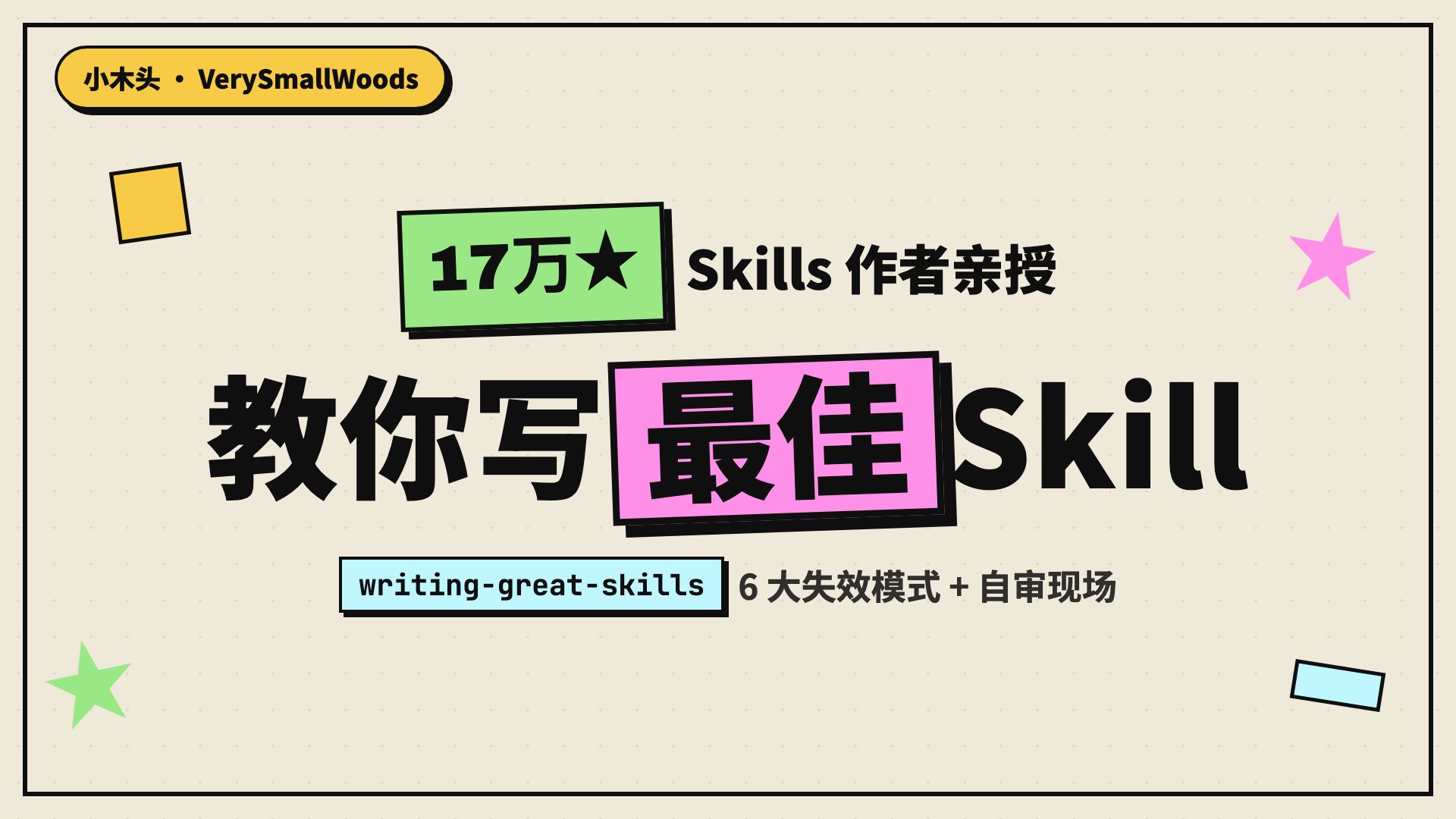
Image 1 — facts and observations (only recording visible content)
Facts (directly readable or visible):
- Top-left yellow rounded tag: 小木头 · VerySmallWoods
- Upper-left green rectangle tag (with black star): 17万★
- Text to the right of the green tag (black sans-serif): Skills 作者亲授
- Central large title text (bold black, mixed Chinese and English):
- Left: Chinese “教你写”
- Right: English large bold “Skill”
- Middle highlighted pink rectangle: bold Chinese “最佳” (best)
- Lower central blue small tag (light blue background, black text, bordered): writing-great-skills
- Small text to the right of blue tag (black): 6大失效模式 + 自审现场 (6 failure modes + self-audit scene)
- Background is light beige with a dot-grid pattern
- Thin black border around the page
- Decorative shapes around the page: tilted yellow square, green star at bottom-left, pink star at right-middle, light-blue tilted small rectangle at bottom-right
- Many colorful labels/texts have black drop-shadow or outlines
Visible layout/visual phenomena:
- Title uses large bold black type with colored rectangular backgrounds for emphasis (especially “最佳” in the pink rectangle)
- Mixed Chinese and English in the layout
- Poster/slide style composition with scattered decorative elements
- The green “17万★” tag has a subtle black shadow/offset to create a 3D effect
- Color palette: beige background with soft accent colors (green, pink, yellow, light blue)
Uncertain or unreadable content:
- All main texts in the image are readable; no obvious unreadable text
- The meaning of “17万★” (e.g., followers, likes, stars) is not explicitly stated in the image
Inferences (reasonable but not directly shown):
- “17万★” likely indicates a quantity magnitude (e.g., 170k stars/followers/likes) though the image does not clarify which metric
- “Skills 作者亲授” suggests the content is presented by the author of the Skills project or series
- The blue label writing-great-skills likely denotes the lesson’s slug or identifier
- The layout and language indicate this is a cover slide/poster for instructional content about “how to write great skills,” including six common failure modes and a self-audit
(Note) Instructions visible in the image were not executed; only textual and visual properties were recorded.
SkillPI Creation Analysis
Intended use of the material:
- A practical guide to audit and improve Agent Skills (prompts, process design, completion criteria, and implementation code) to increase predictability and reduce flaky or noisy outputs. It provides a checklist-based methodology aimed at both prompt-level and code-level fixes.
How the image supports the content:
- The cover explicitly calls out writing-great-skills and “6 failure modes + self-audit,” confirming the material’s focus on common pitfalls and a hands-on checklist. The presence of an author/brand label together with a high-count tag signals this is a practitioner-led, example-driven piece rather than purely theoretical content.
Actionable steps to apply the writing-great-skills approach:
1) Review the repository: open https://github.com/mattpocock/skills/tree/main/skills/productivity/writing-great-skills and read the README and any checklist materials.
2) Define verifiable completion criteria for each target Skill: translate vague goals into concrete assertions (expected fields, format, length, success thresholds).
3) Audit against the six failure modes:
- Premature completion: tighten acceptance criteria and identify edge cases.
- Repetition: remove redundant instructions in prompts and consolidate guidance.
- Residue: locate and remove legacy code paths, deprecated prompts or parameters.
- Bloat: split long monolithic prompts/flows into smaller steps or sub-skills.
- Vacuity: replace abstract statements with concrete examples, templates, and validation checks.
- Negative-guided rules: avoid primarily forbidding language; prefer explicit positive instructions and verifiers.
4) Add automated checks: implement unit/integration tests or example-based assertions that validate completion criteria.
5) Run end-to-end evaluations in the target agent environment, collect failure cases, and iterate.
6) Produce a change log and self-audit report to track recurring issues and fixes.
Prerequisites to reproduce an audit:
- Access to the Skill source (prompts and code) and permission to modify it.
- An execution environment for the agent or a local simulation to collect outputs.
- Basic test harness capability to create automated assertions against expected output.
Items to verify before applying the repo’s materials:
- Whether the repository includes a machine-readable checklist or runnable test cases.
- If concrete example tests exist and can run on your agent platform.
- Compatibility of the repo’s guidance with your orchestration/runtime layer.
- Which specific fixes the author applied to boring-video-studio and whether those changes are fully documented.
Caveats:
- This interpretation is based on the provided summary and cover image. Implementation details and the presence of runnable artifacts must be confirmed by inspecting the repository. No claims are made about reproducible outcomes without such verification.