
The hidden bill of Claude Code: one tool cuts 92% of wasted routing
Learn how to install and configure CodeGraph (example: npx at colbymchenry/codegraph) to index your repository and expose MCP tools to Claude Code, reducing repeated path discovery. This guide explains the installation command, basic integration idea, testing approach, known risks (e.g., CodeGraph v0.7) and prerequisites (Node.js, sample repos, Claude docs) needed to reproduce tests.
Image Analysis
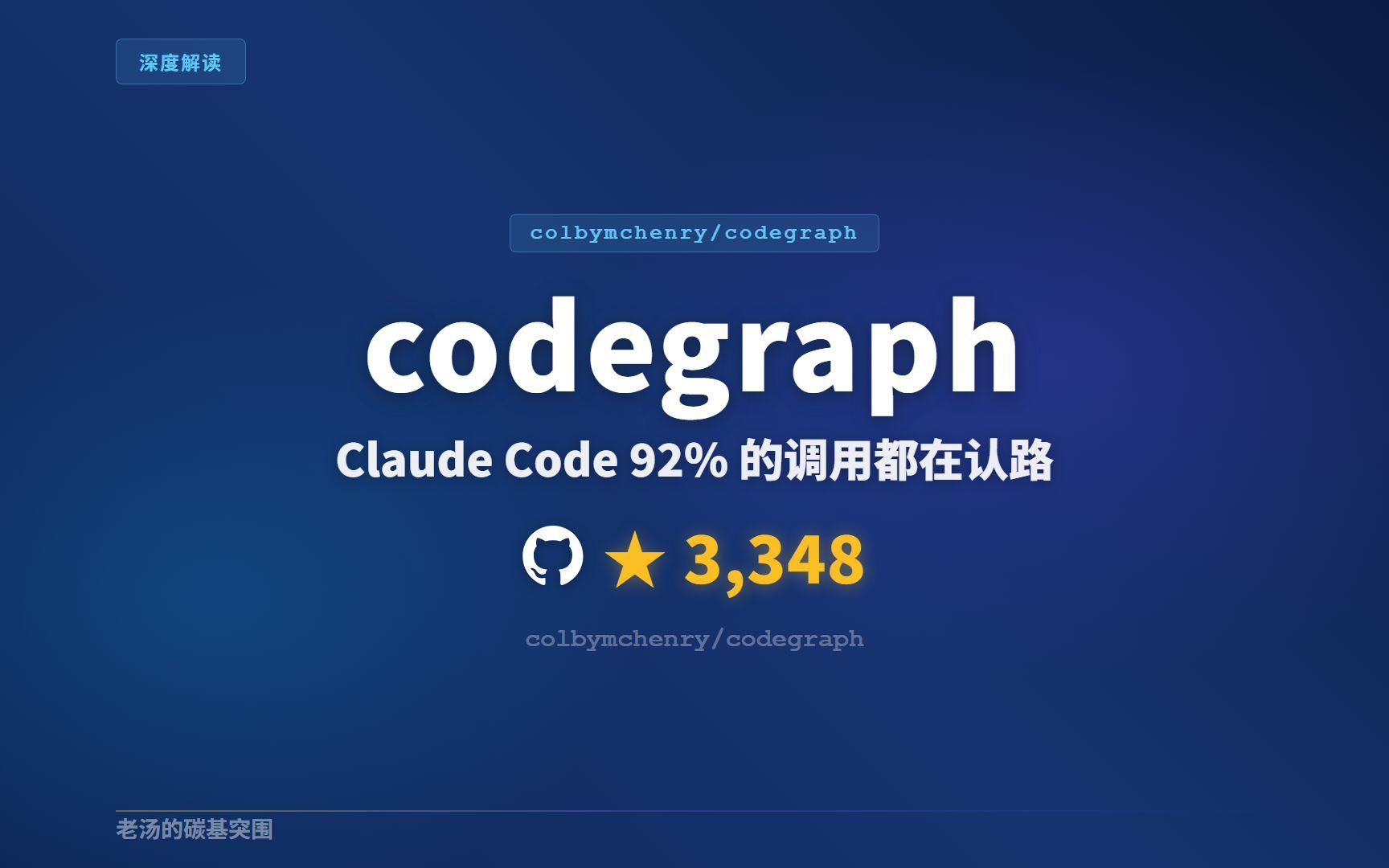
Image 1 — itemized transcription (top-to-bottom, left-to-right visible content)
Facts (readable/visible in the image, excluding speculation)
- Top-left blue rectangular button text: “深度解读” (deep dive).
- Top-center light-blue rounded rectangle (like a tag) text: “colbymchenry/codegraph”.
- Main central large text (title): “codegraph”.
- Subtitle under the title: “Claude Code 92% 的调用都在认路” (Claude Code 92% of calls are about routing).
- Below the subtitle a row of icons and numbers:
- Left: white circular icon (GitHub cat logo).
- Middle: yellow star icon.
- Right of star: yellow number “3,348”.
- Lower-center faint text (similar to top tag): “colbymchenry/codegraph”.
- Bottom-left small text: “老汤的碳基突围”.
- Background is a dark blue to purple gradient. Title and numbers have shadow/highlight effects.
UI elements/steps (visible components only)
- Top-left has a button-like element (“深度解读”), visually clickable.
- Top-center and lower-center show a tag/project path (“colbymchenry/codegraph”) in rounded rectangles or faded text.
- The central area shows a large title with subtitle beneath it, and icons plus star count centered in a row.
- A thin horizontal line runs near the bottom; above it the small text “老汤的碳基突围”.
Charts/data
- The only explicit numeric data is the star count: 3,348 (to the right of the star icon).
- The subtitle contains a percentage: “92%”.
Visible styling/appearance
- Dark gradient (blue/purple) background with white and yellow text for contrast.
- The main title “codegraph” is large, bold, with noticeable shadow.
- Star icon and number use yellow to draw attention.
- Top and bottom “colbymchenry/codegraph” appear in pale blue or faded gray, bottom one more translucent.
- Layout is center-aligned, focusing attention on the title and star count.
Speculation (marked as such)
- “colbymchenry/codegraph” is likely a GitHub repository path (speculation based on format and GitHub icon).
- The image is likely a slide cover, project banner, or web hero image (speculation due to large title, author path and star count).
- “Claude Code 92% 的调用都在认路” likely asserts that 92% of a certain class of Claude Code calls relate to routing/exploration (the term “认路” needs context to interpret).
Uncertain/indiscernible items (explicitly noted)
- The precise meaning of “认路” in the subtitle cannot be determined from the image alone (it may be a jargon or metaphor requiring context).
- Whether the page contains additional small text, copyright lines, or micro-icons at the edges is unclear due to blur or cropping.
- Whether the lower-center “colbymchenry/codegraph” matches the top tag exactly in case/spacing — visually similar but could differ due to fade.
Notes
- Operational prompts or interactive instructions in the image were not executed or annotated beyond visible text.
SkillPI Creation Analysis
Purpose
- The material discusses reducing redundant tool calls and API cost for Claude Code users by using CodeGraph (repo: https://github.com/colbymchenry/codegraph). The proposed approach is to index a codebase and expose repository functions as MCP tools to the AI, so the model doesn't repeatedly 'rediscover' code paths each session.
Image evidence (verifiable items)
- The image explicitly shows the repository path “colbymchenry/codegraph”, the title “codegraph”, a subtitle referencing “Claude Code 92%”, and a star count “3,348”. These elements can be used to locate the referenced project page and supporting blog or docs.
Associated tools and procedural steps (based on visible/explicit references; verify against project docs before executing)
- Prerequisites: Node.js environment and npx availability are implied by the install example.
- Install/try: the summary gives an example command: npx at colbymchenry/codegraph — confirm the exact command and arguments in the project README before running.
- Integration idea: CodeGraph indexes the repository and exposes multiple MCP tools to the AI (the summary mentions seven MCP tools; check the repo for exact tool list and APIs).
- Test and measure: author reportedly compared behavior across six open-source projects (vs. VS Code); to reproduce, run equivalent tests on similar repositories and measure tool-call counts and API cost metrics.
Reproduction prerequisites
- Access to the CodeGraph repository and its README for installation/configuration details (https://github.com/colbymchenry/codegraph).
- Access to Claude Code integration docs to understand how to provide MCP tools/indexed data to Claude (example doc link referenced: https://code.claude.com/docs/en/costs).
- Sample codebases or test repos to run comparative experiments and instrumentation to record tool calls and cost.
Items to verify (do not assume)
- The claimed “92% of calls are routing-related” is presented in the subtitle; whether this is a measured, reproducible statistic requires checking the original test data or scripts (blog link provided in summary: https://medium.com/@me_82386/i-cut-my-claude-code-api-costs-by-40-with-one-tool-12cf4306a1ab).
- The summary’s reference to “seven MCP tools” needs confirmation in CodeGraph documentation for exact tool names, behaviors, and interfaces.
- CodeGraph stability and safety: summary notes CodeGraph at version 0.7; verify the current release, changelog, and known issues before using in production.
- Integration specifics with Claude Code (authentication, API flows, cost measurement) are not detailed in the summary and must be confirmed with official Claude/Anthropic docs.
Notes and limitations
- This interpretation preserves links, commands and proper names from the source. It does not assert that the reported reductions or performance gains are independently reproduced; those claims must be validated against the project's test artifacts or author-provided data before relying on them in production.