
Open-sourced Local AI Skills for End-to-End NIW / EB1A / O1 Application Preparation
Step-by-step guide to using an MIT open-source local AI skills workflow to prepare NIW, EB1A, and O1 application materials: install with npx, run local browser/agent-driven evidence collection and citation benchmarking, draft PES/Petition/letters with RFE-prevention logic, generate I-140 / ETA-9089 PDFs, and pack materials per USCIS lockbox rules. Requires Node.js/npm and an available local or subscribed LLM; always verify forms and have a lawyer review before filing.
Image Analysis
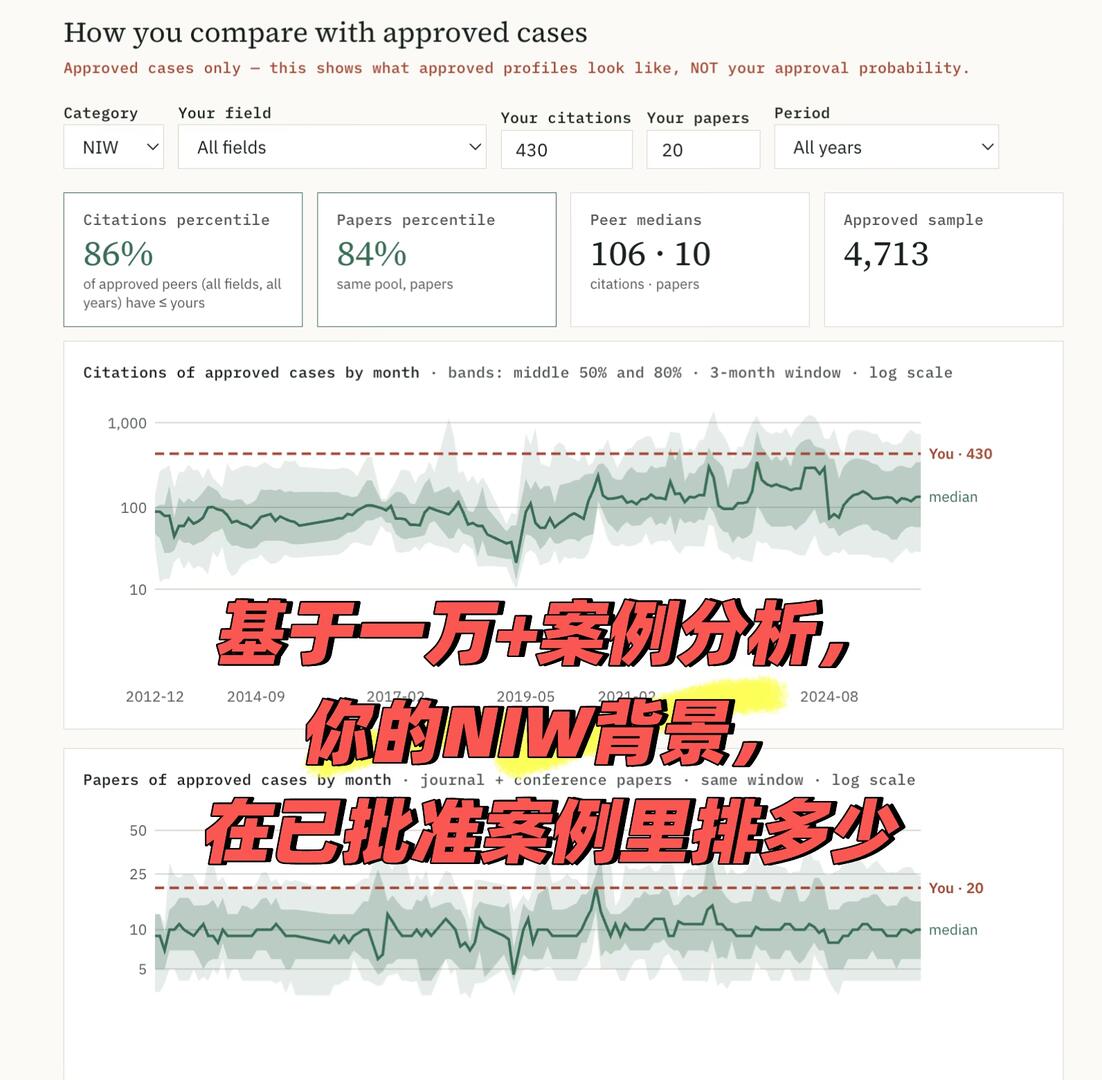
Figure 1 — Evidence extraction (facts / inferences / unreadable parts)
Facts (directly readable on the page):
- Top title: "How you compare with approved cases" with red note: "Approved cases only — this shows what approved profiles look like, NOT your approval probability."
- Top form/controls: Category: "NIW"; Your field: "All fields"; Your citations: "430"; Your papers: "20"; Period: "All years".
- Four summary boxes: "Citations percentile" = "86%" (note: "of approved peers (all fields, all years) have ≤ yours"); "Papers percentile" = "84%"; "Peer medians" = "106 · 10" (note: "citations · papers"); "Approved sample" = "4,713".
- Upper chart title: "Citations of approved cases by month · bands: middle 50% and 80% · 3-month window · log scale". Y-axis is log scale (approx. ticks 10, 100, 1,000). A red dashed line "You · 430" is shown, plus a green median line and two green shaded bands representing middle 50% and 80%.
- Lower chart title: "Papers of approved cases by month · journal + conference papers · same window · log scale" with a red dashed line "You · 20" and green median/shaded bands.
- Overlaid Chinese headline: "基于一万+案例分析, 你的NIW背景, 在已批准案例里排多少" with yellow highlight.
Inferences (reasonable interpretations):
- The inputs "Your citations 430" and "Your papers 20" correspond to the red dashed lines labeled "You · 430" and "You · 20" in the two charts.
- "Peer medians 106 · 10" indicates median approved peers have 106 citations and 10 papers.
- The green median and shaded bands represent median and middle 50%/80% ranges (as stated in chart title).
- The user's input (430 citations and 20 papers) is above the peer medians, consistent with displayed percentiles (86% / 84%).
Unreadable / occluded parts:
- Some x-axis time labels are partially covered by the overlaid Chinese headline.
- Exact numeric tick labels on the lower chart y-axis are partially obscured due to resolution/overlay, but the log-scale nature is clear.
- Some small annotations or header icons may be outside the cropped image and are not visible.
SkillPI Creation Analysis
Purpose and main capabilities:
- The project offers an open-source, locally executed AI skills workflow intended to help prepare application materials for academic immigration categories (NIW / EB1A / O1). According to the source summary, it provides end-to-end coverage: statistical benchmarking against approved cases, locking an endeavor core sentence for consistent document wording, automated evidence collection and per-paper verification, drafting PES/Petition/letters with RFE-prevention logic, browser-guided form filling and generation of I-140 / ETA-9089 PDFs, and packing/matching USCIS lockbox addresses. The project emphasizes MIT licensing, local-only operation for privacy, and support for checkpoint resume. The author disclaims legal advice; users should have materials reviewed by a lawyer before filing.
Image evidence summary (what the screenshot supports):
- The assessment UI shows user inputs (citations=430, papers=20) and outputs percentiles (citations percentile 86%, papers percentile 84%), peer medians (106 · 10), and an approved-sample count (4,713). Two time-series charts (log scale) illustrate citations and paper counts for approved cases, with the user's values overlaid in red—this corroborates the claim that the workflow provides statistical benchmarking based on approved case samples.
Steps to use the skills (based on the source summary; items to verify in the repo):
1) Environment: install Node.js/npm and ensure npx is available; have access to an LLM or local AI subscription (the author mentions Claude Code / Codex as example targets) and allow the workflow to run a browser agent for web interactions.
2) Install the workflow: follow the repository's npx installation command (author suggests npx installation and indicates the repo can be found by searching OpenNIW on GitHub).
3) Provide inputs: launch the local agent and input profile data (citations, papers, field, period) to obtain the statistical assessment and visuals.
4) Evidence collection: run the evidence collector to download papers, fetch citations, filter independent citations and perform per-paper verification (requires internet access and appropriate permissions to fetch content).
5) Document drafting: use the drafting skill to generate PES, Petition Letter, and recommendation letter drafts; the workflow reportedly embeds 12 RFE prevention rules.
6) Form generation: use the browser-guided filler to populate USCIS forms and generate I-140 / ETA-9089 PDF files for review.
7) Packaging: follow the tool's packing order for USCIS and use the matched state lockbox address for physical mailing.
Reproduction prerequisites (must verify before relying on outputs):
- Technical: Node.js/npm, npx, a usable LLM or local AI model/subscription, a browser/agent runtime with permissions for navigation and scraping, and network access for fetching publications and citation data.
- Data and legal: access to your publication list and citation records; confirmation that the repository’s dataset claims (e.g., 4,713 NIW, 2,294 EB1A, 128 O1 samples) are documented and reproducible; ensure generated documents meet current USCIS requirements.
- Privacy/security: confirm the repository truly performs processing locally and does not exfiltrate data; check the privacy posture of any linked AI subscription service used.
Items to verify (recommended checks before use):
- Repository location, current maintenance status, exact npx install command, dependency versions, and MIT license text.
- Provenance and update cadence of the benchmark dataset cited in the UI (sample sizes & collection method).
- The legal adequacy of generated narrative and evidence presentation—have a qualified immigration attorney review argumentation and final documents.
- Exact field mappings and PDF formatting for I-140 / ETA-9089 to ensure compatibility with the latest USCIS forms and submission rules (including signer/signature requirements).
- Details of the stated 12 RFE prevention rules (their logic and coverage).
Risk note: The author explicitly states they are not a lawyer. Automatically generated drafts or data-driven recommendations should be reviewed and approved by a qualified attorney before filing; do not treat the workflow's outputs as legal advice or final submission material.