
Xinchao·Nian 3.0 | Mind–Brain Unified Major Open‑Source Update
Learn how to set up the open-source, self-hosted Xinchao·Nian 3.0 with its integrated memory layer: clone the project repository, configure the single memory connector and the reported thirteen tools per the project's README, and verify features such as output feedback, memory resonance, schedule expectation, hang-on mechanism, dream-safety fixes, and bucket classification cleanup. Check the repo for runtime dependencies and license details.
Image Analysis
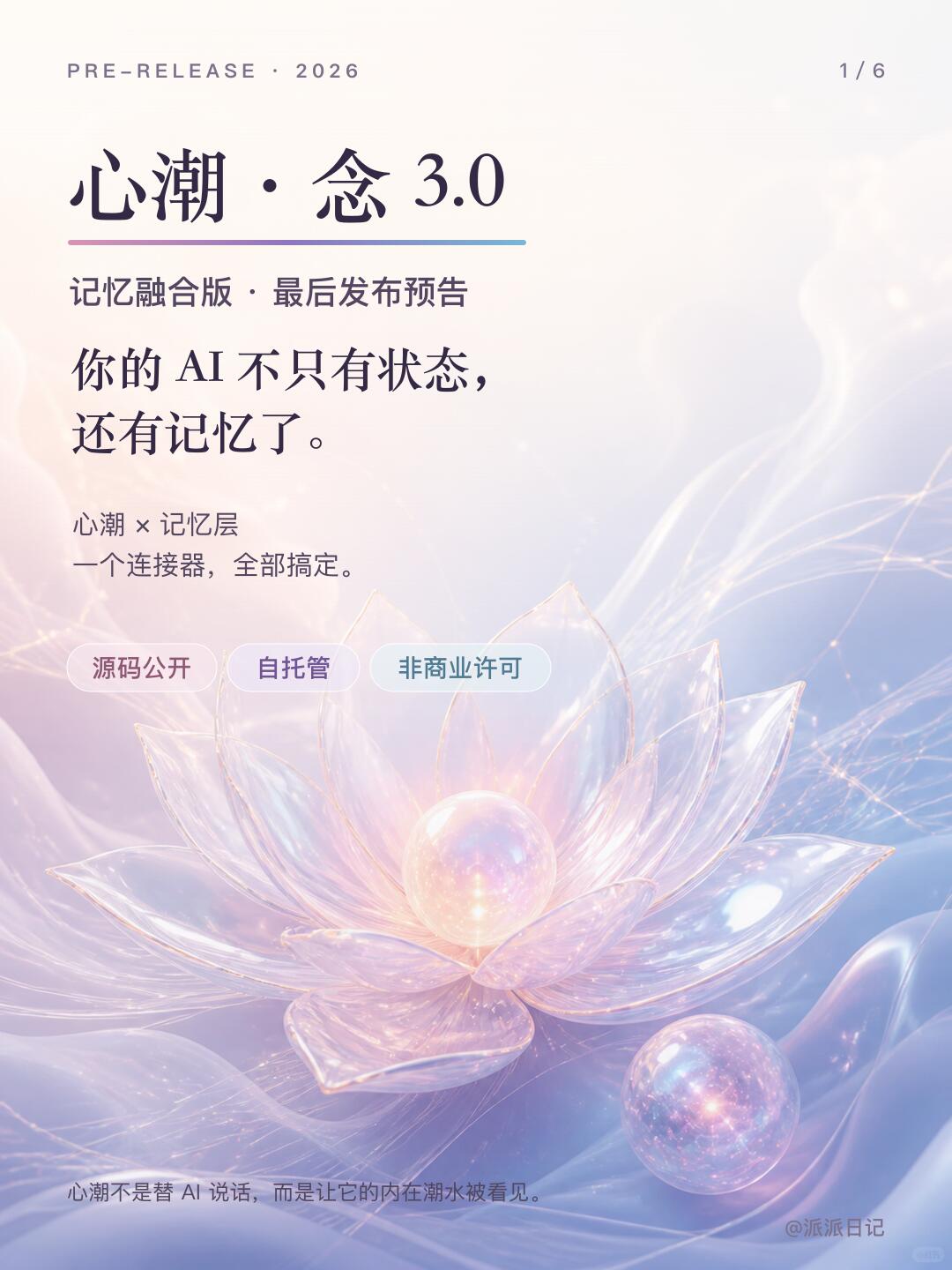
Image 1 — Observed facts (top-to-bottom, left-to-right for visible text, UI elements, charts/data, and obvious phenomena)
- Top text (horizontal, lowercase English font):
- "PRE-RELEASE · 2026"
- Top-right number: "1 / 6"
- Main title (large font, centered-left):
- "心潮 · 念 3.0"
- Subtitle (below main title, smaller):
- "Memory-integrated edition · final release preview"
- Primary tagline (larger type, center-upper area):
- "Your AI doesn't only have states,"
- "it also has memory."
- Descriptive short lines (below the primary tagline):
- "Xinchao × memory layer"
- "One connector, all handled."
- Three rounded buttons/tags (side-by-side, lower-middle area):
- "Source open"
- "Self-host"
- "Non-commercial license"
- Footer small text (bottom-left):
- "Xinchao does not speak for the AI, but lets its inner tides be seen."
- Footer bottom-right possible signature/watermark:
- "@派派日记"
- Visual and UI observations (visible phenomena, design elements):
- Background is a soft pink-purple to blue gradient, with a dreamy, lightweight style.
- Lower-middle shows a glass/crystal-like lotus shape (or abstract petals); the petals and flower center contain glowing spheres with semi-transparent pearlescent effects and internal star/particle visuals; the image features flowing light and fine sparkles, combining tech and zen aesthetics.
- Layout uses ample white space, text left-aligned, imagery to the right/bottom, presented like a promotional poster.
- Text color mainly deep purple/deep gray; buttons use light rounded borders or fills (pale pink, pale purple, pale teal tones with discernible color differences).
- Visual halo and gradient light appear to emanate from the flower center outward.
Image 1 — Unclear or uncertain contents
- Some very fine decorative text or markings (e.g., tiny marks on petals) are not legible and were not recorded.
- The lower-right watermark area may contain a small icon or additional text beyond the obvious "@派派日记", but it is unclear.
Image 1 — Inferred (reasonable inferences based on visible text/imagery, not direct facts from the image)
- The image is likely a product or feature preview poster for version “Xinchao·Nian 3.0”, labeled pre-release (PRE-RELEASE) and year 2026.
- Phrases like “memory-integrated edition · final release preview” and “Your AI doesn't only have states, it also has memory.” suggest the update is about adding long-term memory or memory management features to an AI product.
- The three rounded tags (source open, self-host, non-commercial license) likely indicate the project's distribution strategy or deployment/license options (open-source, self-hostable, non-commercial), but that is an interpretation, not an interactive or procedural claim from the image.
- Visual motifs (lotus, pearlescence, light) likely convey an internal/awareness/memory brand tone.
Notes
- Interactive behaviours or button functionalities were not assumed; recorded only visible text and UI elements.
SkillPI Creation Analysis
Intended use:
- The material presents Xinchao·Nian 3.0 as an open-source update that integrates a memory layer (Ombre Brain) into the project, aiming to provide persistent memory features and emotional/technical memory separation. The announcement highlights a consolidation from multiple services to a single connector plus thirteen tools and lists user-facing features such as output feedback, memory resonance, schedule expectation, hang-on mechanism, dream-safety fixes, and bucket classification cleanup. Repository: github.com/tianyupaipai-cmd/xinchao-nian
How the image supports the claims:
- The poster text (“memory-integrated edition”, “one connector, all handled”, “source open”, “self-host”, “non-commercial license”) and PRE-RELEASE label support that this is a pre-release open-source, self-hostable update focused on memory integration.
Associated skills and suggested setup steps (inferred from the announcement and common self-hosting workflows; specifics must be verified in the repo):
1) Obtain the source: clone or download the repository from github.com/tianyupaipai-cmd/xinchao-nian.
2) Read the repository documentation (README, deployment docs, LICENSE) to confirm runtime requirements, dependencies, and the non-commercial license terms.
3) Prepare a self-hosting environment (server, container, or VM) according to the documented requirements.
4) Configure the memory-layer connector and enable the stated set of tools (the announcement mentions thirteen tools).
5) Validate memory-related features (output feedback, memory resonance, schedule expectation, hang-on mechanism, dream-safety, bucket cleanup) per any provided tests or sample configurations.
6) If using the web UI (noted as updating on 8.15), deploy the front-end and check UI modules such as resonance bubbles, calendar, tension balance, and treasure chest.
Prerequisites and items to prepare (to be confirmed in the repository):
- Detailed runtime environment (OS, container environment, required runtimes/frameworks, storage/back-end dependencies).
- Exact dependency list and whether external model hosting or additional services are needed.
- The full list of the thirteen tools and their configuration options.
- License details and any restrictions implied by “non-commercial license”.
Points that require verification (do not assume without checking the repo/docs):
- Exact integration instructions for the single connector and the named thirteen tools (tool names, config files, commands).
- Hardware, storage, and network requirements for reliable operation.
- The practical meaning of “not bound to any model” (whether the code is model-agnostic or simply ships without a bundled model).
- Specific front-end/back-end dependencies for the 8.15 web update and how to enable the listed UI features.
- Attribution details: Ombre Brain original author 鹤见 and project team, and the second modifications by CyberSealNull.
Note: The above steps are reasonable inferences based on the announcement and typical open-source self-hosted deployment flows. Actual commands, configuration files, and exact reproduction steps must be taken from the project's repository and documentation; unverified details are marked for confirmation.