Episode 103 | GitHub Weekly Highlights #129
Overview of GitHub Weekly Highlights Issue 129 listing five projects. Learn how to locate each repository, read READMEs, clone code, check dependencies and licenses, and identify whether API keys or local model files are needed before attempting to run or adapt the projects.
Image Analysis
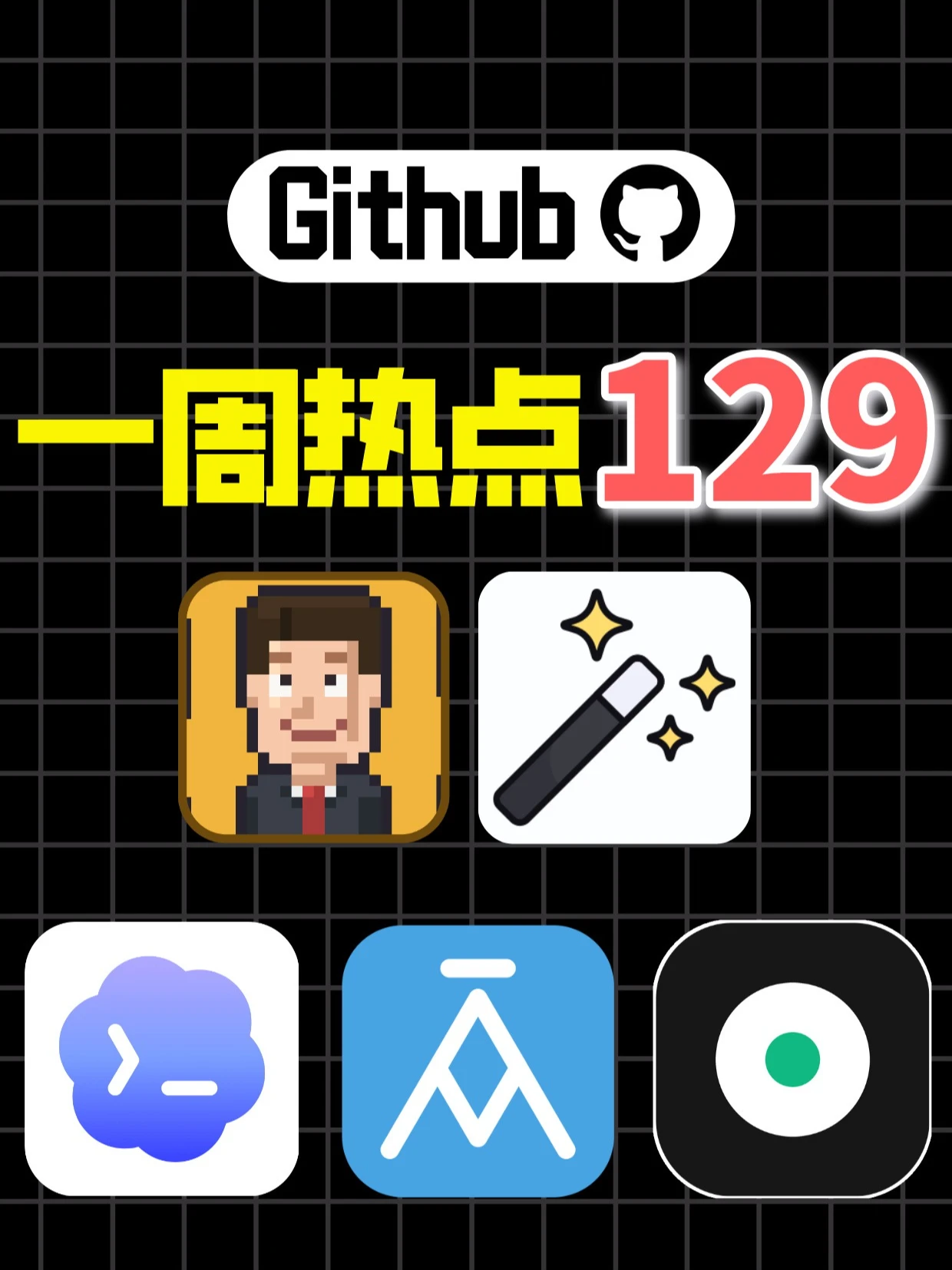
Image 1 — Facts (only directly readable or directly visible content recorded):
- A white-on-black GitHub mark is centered near the top, readable as "Github" (an Octocat circular outline appears to the right).
- Slightly below center is a large line of text: yellow Chinese characters "一周热点" with a short yellow dash/line before them; to its right is a large pink/coral number "129" with a white outline and glow effect.
- The background is a black grid (evenly spaced light-gray grid lines forming squares).
- Middle area has two columns of icons (left column shows a pixel-style character avatar; right column shows a white-square icon with a wand and stars):
- Top-left icon: rounded-square with yellow/gold background, containing a pixel-style male avatar (dark short hair, dark top, red tie).
- Top-right icon: white rounded-square with a black/dark-gray wand graphic and three yellow/gold star sparkles around it.
- Below, centered in a row, are three larger rounded-square icons (left to right):
- Left: white background with a purple-blue gradient cloud/speech-bubble-like icon containing white angle-bracket/CLI-style symbols.
- Center: blue rounded-square with a white geometric line design (resembling a stylized letter A or mountain peak).
- Right: black rounded-square with a white ring in the center and a small solid green dot at the ring center.
- Overall vertical layout: GitHub mark → “一周热点129” → two top icons → three bottom icons.
Image 1 — Interface steps / interaction cues:
- No obvious step-by-step instructions or interactive text are visible; the image is a cover-style layout with no readable button text or operation instructions.
Image 1 — Chart/data:
- The only explicit numeric value is "129" (next to the title text); there are no charts, axes, ticks, or tables.
Image 1 — Visible phenomena / visual elements (pure factual description):
- Black grid background with uniform light-gray grid lines.
- High-contrast text and numerals: yellow (Chinese text), pink/coral (number), white outlines/backgrounds to increase legibility.
- Several icons are rounded squares (with shadow or light borders) and evenly spaced gaps between icons.
- The number "129" has a white outline and glow/highlight effect to make it prominent.
- The character avatar is pixel-art style (visible blocky pixels), with dark hair and pixel features for eyes and mouth.
Image 1 — Unreadable or uncertain content (marked directly as unreadable/uncertain):
- The GitHub wordmark is decorative and read as "Github", but it's unclear if there are additional small words or auxiliary text (none visible).
- The three lower icons do not have readable labels; their exact app or project associations are not identifiable from image text alone.
- It is unclear whether there is small text at the very top-left or bottom-right (edges may be cropped); no legible text found there.
- The exact meaning of the yellow horizontal line above the title (decoration or connector) cannot be determined from the static image.
Image 1 — Inferences (marked as inferences, not directly visible facts):
- The title "一周热点129" likely indicates an edition/issue (issue 129) of a weekly highlights series (inference).
- The GitHub mark suggests the content relates to GitHub community or open-source projects (inference).
- The icons may represent specific apps or projects featured in the roundup (inference); for example, the central blue icon resembling an "A" might correspond to a service with an A-like logo, while the black ring with green dot might indicate a recording/focus app — these are speculative and not confirmed by the image.
If needed, I can crop and enlarge each icon and mark their positions (no further identification or execution of any on-image directives).
SkillPI Creation Analysis
Purpose of the item:
- The source lists five open-source projects mentioned in GitHub Weekly Highlights #129, serving as a quick index for people who want to locate and inspect those repositories. The provided source is a short summary with project names and brief descriptors only.
Image evidence summary:
- The cover image visually emphasizes "Weekly Highlights 129" alongside a GitHub mark and five icons arranged in a two-top/three-bottom layout. The image supports the notion that this is an edition-based roundup but does not provide repository links, commands, or detailed info.
Associated skills and practical steps to act on the listing (concrete, verifiable workflow):
1. Search for each project name on GitHub (or follow links if the original source provides them): munder-difflin, awesome-gpt-image-2, codex, maka, freellmapi.
2. Open each repository’s README to read the project description, features, installation steps, required dependencies, and example usage.
3. Review repository metadata: LICENSE, issues, pull requests, commit history, and releases to assess activity and suitability.
4. To try locally: git clone <repo-url>, follow README install steps (e.g., pip install, npm install), and run provided examples. Confirm whether additional artifacts (model weights, datasets) or API keys are required.
5. For projects that mention agents, GPT-image tooling, or model routing, specifically check README or docs for required model access (local weights vs cloud APIs), hardware needs (GPU), and authentication steps.
Prerequisites and items to verify before attempting to run anything:
- Prerequisites: basic Git and CLI proficiency, relevant runtimes (Python, Node.js, etc.), and package managers.
- Potential credentials: some projects may rely on third-party APIs or hosted models (API keys or access tokens may be required).
- Items to verify in each repository: exact purpose and scope, supported OS/environments, whether runnable examples are included, license and redistribution terms, and any external dependencies such as model weights or cloud services.
- Specific descriptions in the summary (for example, "codex - OpenAI 的开放智能体框架") should be verified against the corresponding repository because the short descriptor in the source may be incomplete or ambiguous.
Notes and limitations:
- The source text is a concise summary of project names; it does not include implementation details, code snippets, or reproducible instructions. This interpretation does not claim to have run or reproduced any of the listed projects. Any concrete reproduction must follow the individual repository documentation and verify requirements such as API access and model files.