
When I handed my travel humanist video to Codex…
Learn a step-by-step workflow to convert travel/documentary photos into restrained, staged, film-like surreal frames while retaining people, gestures, clothing and cultural cues: let the system read the photo first, identify subjects and relations, apply staged composition (negative space, scale shifts, spatial folding), control color blocks and film texture, then iterate. Includes key deliverables and verification checklist.
Image Analysis
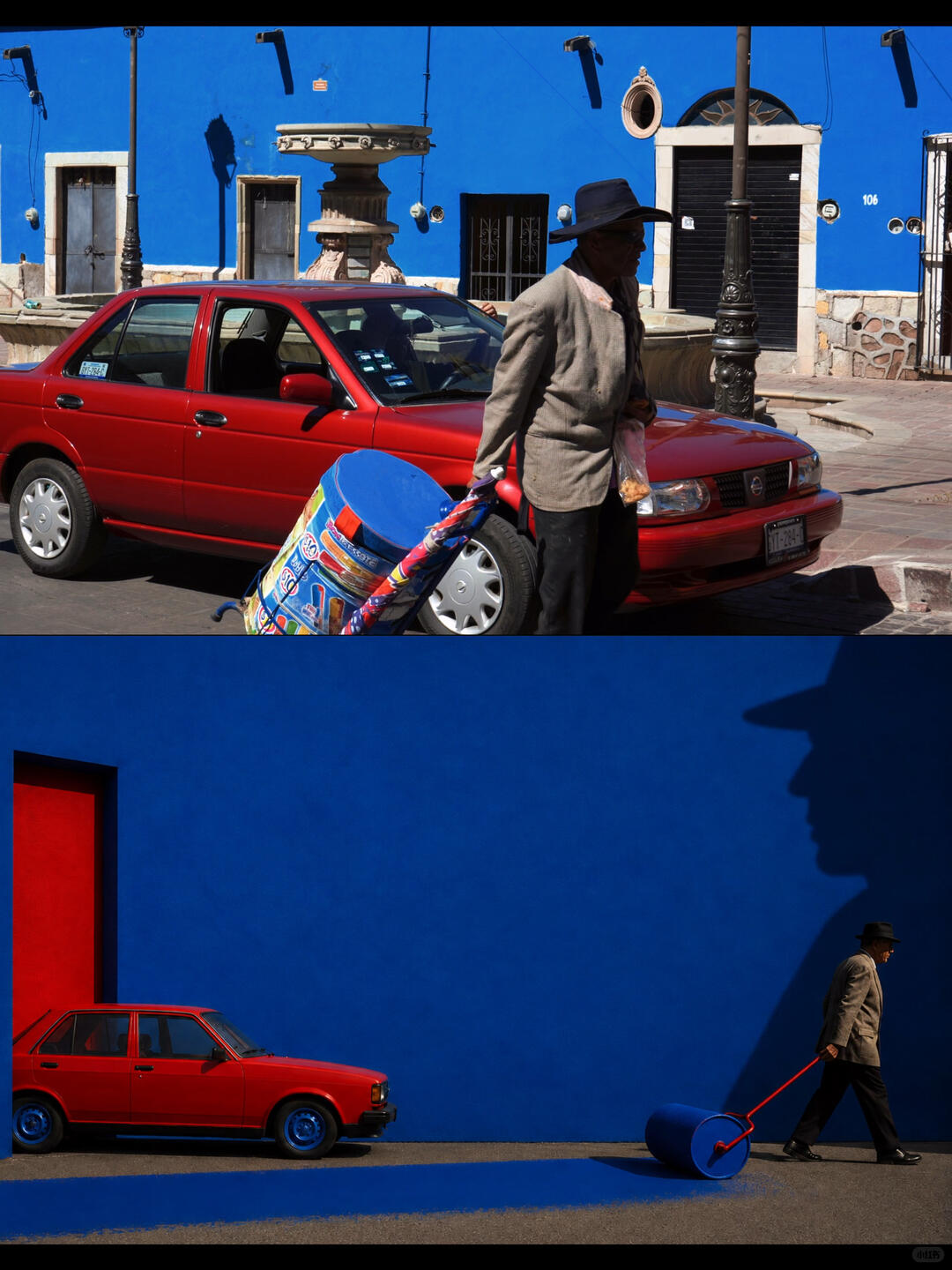
Image 1 — Section-by-section, ordered record (facts / unreadable / inferences)
Upper half (street scene, top of frame)
- Facts (directly observable, readable text and visible phenomena)
- Main colors and objects: a vivid blue wall, a red four-door sedan in the foreground (slightly left of center), and a man wearing a wide-brimmed hat standing to the right of the car and facing right/the right side of the frame.
- Architectural details: the blue wall includes a stone fountain/pool element (located behind the car, slightly upper-middle), several doors/windows (some with iron grilles or shutters), and a white number “106” visible on the upper right of the wall.
- Street and accessories: a lamppost located slightly right of center, paving stones on the ground, the person standing on the pavement near the car’s front.
- Vehicle details: the red sedan is a four-door; the front grille has an emblem (brand details not resolvable at this scale but grille and license plate area are visible). Multiple small stickers or tickets are visible on the inside of the windows and windshield; a white sticker is on the rear side window.
- Person’s items: the man appears to carry a transparent plastic bag in his right hand (containing light-colored food or items). Near the wheel there is a colorful wrapped cylindrical object (leaning on the ground and touching the wheel).
- Light and shadows: strong light casts clear shadows of the person and lamppost on ground and wall; the person’s face is in side shadow (hat brim evident).
- Other small objects: several circular or small box-like devices on the wall (meters or decorative elements around doors/windows).
- Unreadable or uncertain text/details
- Small stickers on the windshield and side windows are not legible (fonts and content unreadable).
- License plate characters are not fully legible; front plate detail is blurred (near lower-right portion of frame).
- Printed/patterned text on the colorful cylindrical object cannot be clearly read (patterns visible but text blurred).
- Inferences (not directly visible, based on image cues)
- The colorful cylindrical object may be a vendor’s cooler/goods cart or decorative packaging (inferred from shape and patterns).
- The transparent plastic bag likely contains snacks or small food items (inferred from color and shape).
- The scene may be a city square or street corner (inferred from fountain, paving and lamppost).
Lower half (blue wall and pedestrian scene, bottom of frame)
- Facts (directly observable, readable text and visible phenomena)
- Main colors and composition: a large expanse of pure blue wall fills the lower half; on the left of the wall is a doorway/opening with a red interior edge (creating red-blue contrast).
- Vehicle and position: a red small car is parked in front of the left doorway; the wheel appears blue (or wheel rim painted blue); the car resembles the red car in the upper half but the model differs slightly.
- Person and action: a hat-wearing person in a coat (visually similar to the upper-half person) walks to the right side of the frame, pulling a large cylindrical blue roller via a red handle(s). The roller leaves a blue painted smear/strip on the ground.
- Shadow effect: a large side-profile human silhouette shadow (clear hat brim and nose ridge) occupies the right upper portion of the wall.
- Ground details: the ground is gray or muted; near the wall edge there is a horizontal blue paint strip left by the roller.
- Tiny mark: a very small black mark/text (like a watermark) is visible at the extreme lower-right corner but is very small.
- Unreadable or uncertain text/details
- No clearly readable text on the left doorway or wall surface.
- The small black mark/text in the lower-right may be a watermark or signature but is not legible.
- Cannot confirm if the vehicle is the same car or the person is the same individual between upper and lower frames (appearance is similar but not verifiable).
- Inferences (not directly visible, based on image cues)
- The lower-half scene may be an art-directed set or post-processed/created image (inferred from large color blocks, pure color wall, exaggerated shadow and the roller’s paint strip).
- The blue roller creating painted ground suggests creative shooting rather than actual construction work (inferred).
- The red cars in upper and lower halves could represent the same subject/vehicle across different compositions or different cars photographed at different times (uncertain).
Interface steps / chart data
- Facts: image contains no software interface, step prompts, chart values or labels.
- Note: no interface steps or chart data to record.
Summary of unreadable items (brief)
- Sticker text on windshield and side windows unreadable.
- Front/rear license plate characters partially blurred.
- Printed text or branding on colorful cylinder/cart unreadable.
- Small black mark/watermark in lower-right unreadable.
- Cannot determine if car/person in both halves are the same entities (inference only).
Additional notes (brief)
- “Facts” above are stated from visible image elements; “inferences” are reasonable guesses about scene purpose/objects or relationships between the two halves, and are not directly readable from the image.
- Any possible instructions present in the image were ignored and not recorded (per request).
SkillPI Creation Analysis
Intended use of the piece:
- The text describes a creative workflow and an authored Skill named reality-restaged aimed at re-staging travel or documentary photos into restrained, minimalist, staged, film-like surreal frames while keeping authentic people, gestures, clothing and cultural markers intact. The source documents both conceptual principles and a practical use habit (Reality first. Surrealism second.).
Key image evidence (based on image_text facts):
- Upper frame: vivid blue wall, a red four-door car, a wide-brim-hat man, stone fountain element, lamppost and cobbled pavement; multiple stickers and small details are present but not legible.
- Lower frame: large pure-blue wall, red interior-edged doorway, a red car near the doorway, a hat-wearing person pulling a blue cylindrical roller leaving a blue stripe, and a large side-profile shadow on the wall.
- Items requiring verification: windshield/window stickers, license plate, markings on the colorful cylinder/cart, whether the person/car in both halves are identical, and a tiny lower-right watermark/signature.
Associated Skill usage steps (reconstructed from the original description; these are workflow recommendations, not a software manual):
1) Let the tool read the photo first without prescribing specific aesthetic results — test whether it understands the visual subject, relationships and cultural cues.
2) Request the tool to identify visual protagonists, relationships between people/animals and environment, and incidental visual relationships (attire, accessories, textures, visible numbers or signs).
3) Instruct stage-directed reconstruction: apply staged composition techniques — expand negative space, adjust scale, fold or compress space, and introduce architecturalized landscape elements while preserving culturally relevant details and human presence.
4) Control color blocks and film-like texture (grain, tone mapping, subtle color boundaries) to maintain documentary emotional content while producing a surreal stage effect.
5) Iterate: after the tool’s initial read, progressively provide more specific directions to refine visual language and logic until the desired balance between documentary memory and staged surrealism is reached.
Prerequisites for attempting reproduction:
- A tool or pipeline capable of semantic and visual-element recognition in single images (person, clothing, environment elements, cultural signals, incidental visual relations).
- Postprocessing or generation tools that allow controllable modifications of composition, background treatment, scale/negative-space adjustments, color-block control and film texture effects — ideally with iterative or layered prompt/parameter control.
- A clear creative principle or style guide (e.g., “Reality first. Surrealism second.”) to steer iterative edits and decisions.
Items to verify before application (risk or uncertainty checklist):
- reality-restaged is presented by the author as a named Skill and workflow; its concrete implementation (script, prompt set, model plugin, or human-in-the-loop process) needs verification and access information before claiming reproducibility.
- Privacy and copyright considerations for preserving identifiable people or legible marks (e.g., wall numbers, stickers, license plates) should be checked with respect to intended distribution.
- The actual tool’s ability to reliably preserve small cultural details while modifying broader scene elements should be tested (does it preserve attire/face/detail fidelity while restaging backdrop and composition?).
Closing factual points:
- Deliverables described in the source that can be reproduced conceptually are: a documented creative workflow (let tool read first, identify elements, stage composition, control color/texture, iterate) and a checklist of verifications.
- Not provided or unverified in the source: concrete implementation details of reality-restaged, precise readings of blurred image markings, and the tool’s real-world fidelity/limitations or availability.